How to Get Custom T-Shirt Design Help That Actually Works
Starting a custom t-shirt project sounds simple. Pick a shirt, add a design, order a batch. But anyone who has tried it knows the process can stall at the design stage. You have an idea in your head, a logo sketch on a napkin, or maybe just a vague sense of what you want the shirt to say. Then you sit down at a computer and realize you don't have the software, the skills, or the time to turn that idea into a print-ready file. This is where real custom t-shirt design help makes the difference between a finished product you are proud of and a project that never gets off the ground.
Over the years I have worked with dozens of small businesses, sports teams, and event organizers who all hit the same wall. They know their brand, they know their audience, but they do not know how to translate that into a one-color screen print or a full-color DTF transfer. The gap between concept and artwork is bigger than most people expect. And the worst thing you can do is push a poorly made design through production just to get it done. A bad t-shirt wastes money, frustrates customers, and hurts your reputation. Getting the design right from the start is worth the effort.
Why Design Help Matters More Than You Think
Many people assume a print shop just prints whatever file you send them. That is true in a narrow sense. But a good print shop also understands how different printing methods affect your artwork. A design that looks perfect on a screen can turn into a muddy mess when printed because of low resolution, wrong color mode, or thin lines that disappear in the screen printing process. When you get custom t-shirt design help customtsprinting, you are not just getting someone to tweak your file. You are getting a production-aware artist who knows what works on fabric, what holds up after washing, and what keeps your cost reasonable.
I remember working with a local youth soccer club. They had a logo drawn by one of the parents. It looked fine on paper. But when we tried to set it up for screen printing, the fine details and small text would have required a 300-mesh screen and a near-perfect print. That meant higher cost and a higher chance of defects. With a few adjustments, we simplified the design, increased the line weights, and chose a larger font. The final shirts looked better than the original artwork, and the club saved money on production. That kind of outcome comes from experience, not just software skills.
What To Look For in Design Help
Not all design help is equal. Some shops offer a basic file conversion. Others, like a family-owned print shop in Los Angeles that offers custom t-shirts, screen printing, DTF transfers, and embroidery services with free design help and in-house production, treat design as part of the service. The key is to find a partner who asks questions before opening a file. Good design help starts with understanding the shirt itself. What fabric are you printing on? How many colors are in the design? Will the shirt be worn casually or for a professional event? Each answer changes how the artwork should be built.
Here are a few things I look for when I need design help for a custom shirt project:
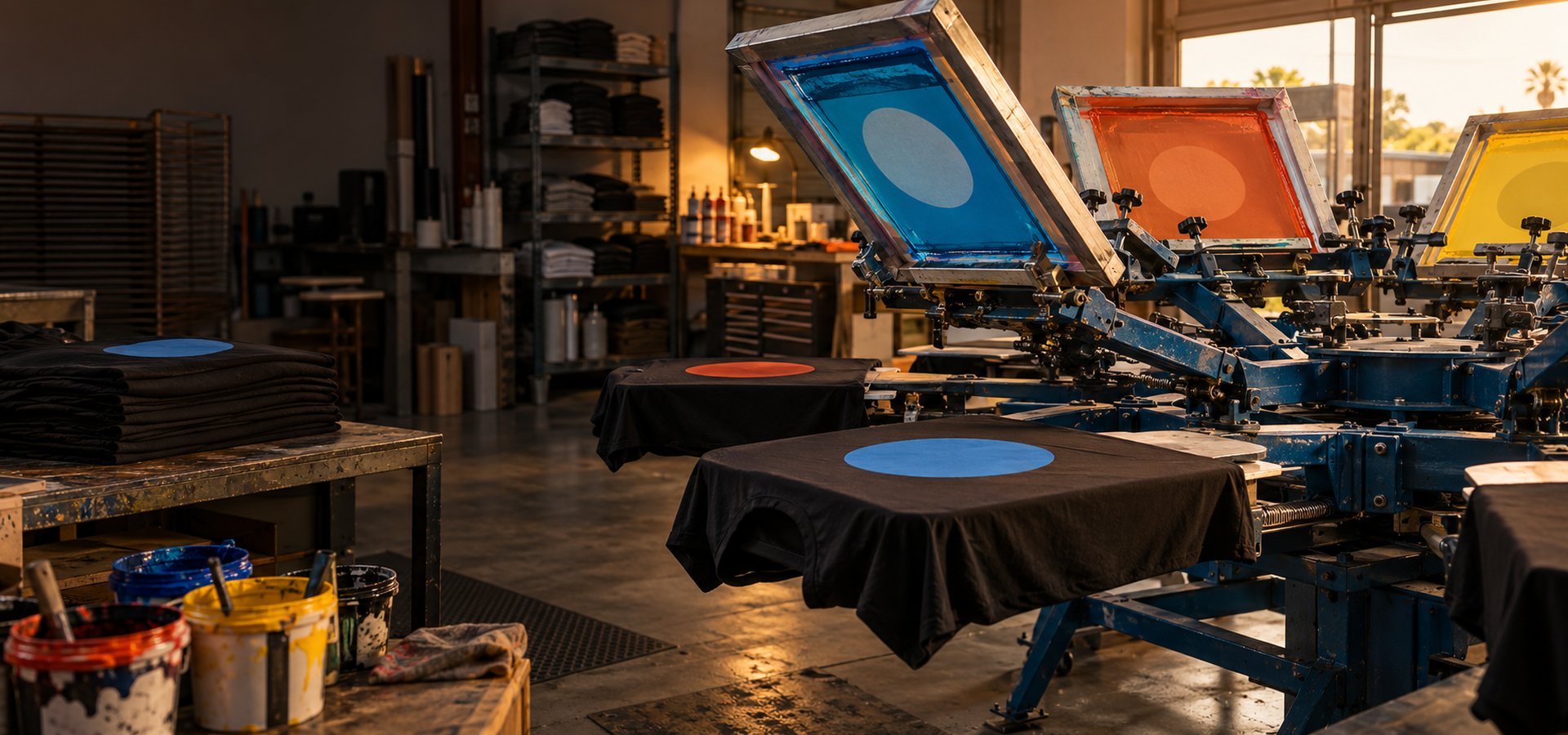
- Print method knowledge: A designer who understands screen printing will keep color separations clean and avoid gradient effects that do not transfer well to spot color printing. For DTF transfers, they will account for the white underbase layer and how it affects color vibrancy.
- File format guidance: You should be told what format to provide and why. Vector files like AI or EPS are ideal for screen printing. High-resolution PNGs work for DTF. A good designer will accept your rough sketch and build the final file for you.
- Revision process: One or two rounds of revisions are standard. More than that usually means the brief was not clear. A good designer will ask clarifying questions upfront to minimize changes later.
- Production timeline: Design work takes time. Rush jobs often result in rushed artwork. Plan for at least a few days of back-and-forth before the design is approved and sent to print.
When you find a shop that offers this level of service, it changes the whole experience. You are not just buying a printed shirt. You are buying a finished product that reflects your brand or event the way you imagined it.
Common Design Pitfalls and How to Avoid Them
Even with good help, some mistakes keep coming up. I have seen the same issues across dozens of projects. Here are the ones that waste the most time and money:
- Using low-resolution images: A logo pulled from a website or a social media profile is usually 72 dpi. Print needs at least 300 dpi. Using low-res images results in fuzzy edges and pixelation. Always start with the highest resolution file you can find, or have the designer rebuild the graphic from scratch.
- Ignoring fabric color: A dark design on a dark shirt disappears. A light design on a white shirt can look washed out. Design help should include mockups that show the artwork on the actual shirt color you plan to order.
- Too many colors: Every color in a screen print adds cost and setup time. A good designer will suggest reducing the palette without losing the design's impact. For full-color designs, DTF transfers are often a better choice because they can print gradients and photographic images without extra color charges.
- Wrong placement: Standard placement is a chest print about four inches below the collar. But pocket prints, sleeve prints, and back prints all have different size and position guidelines. Measure the shirt size and the art size together. A design that looks balanced on a large shirt can look tiny on a youth small.
These are not design failures. They are knowledge gaps that proper custom t-shirt design help customtsprinting fills before you place an order. A small investment in design time saves you from a box of shirts you cannot use.
When DIY Design Makes Sense
Not every project needs professional design help. If you are printing a one-off shirt for a birthday party or a team inside joke, simple text and a clip art image might be fine. Tools like Canva and Adobe Express can get you a passable design in minutes. But be honest about the outcome. DIY designs rarely match the clarity and durability of something built by someone who prints shirts every day. The difference shows in the final product.
For anything tied to a business, a fundraiser, or an event where the shirt represents a group, professional design help is worth the cost. That shirt is walking advertising. It will be seen by hundreds of people. A crisp, well-placed design communicates professionalism and care. A blurry, poorly laid-out design does the opposite.
How Custom Shirt Printing Approaches Design
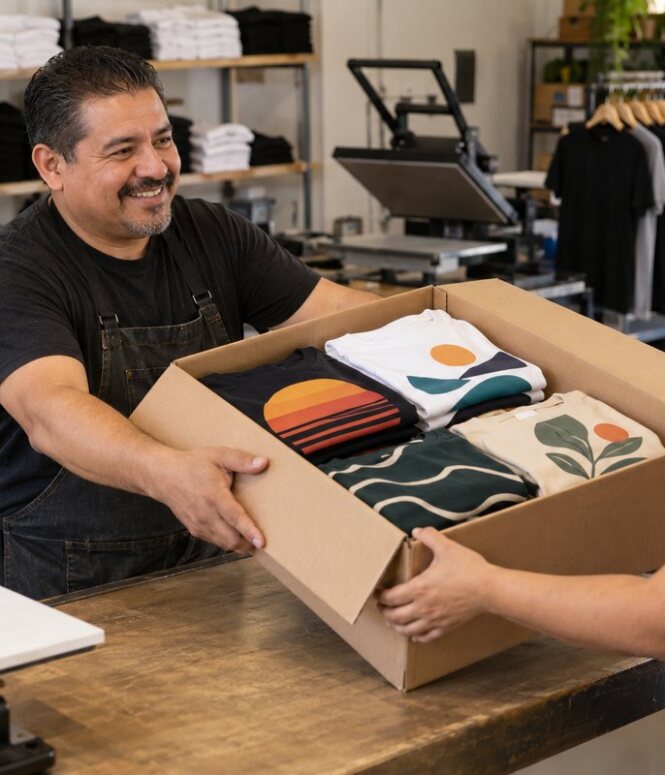
At Custom Shirt Printing, the design process is built around the idea that your artwork should work for you, not the other way around. They offer free design help because they know most customers are not graphic designers. When you submit a rough idea, a sketch, or even just a description, their in-house team turns it into a print-ready file. They handle file conversion, color matching, resizing, and placement. And because production happens in-house, the same people who set up the art also run the press or the DTF printer. That continuity catches problems early.
I have sent them projects where the customer had only a handwritten logo on a piece of paper. The team digitized it, cleaned up the lines, and suggested a two-color version that kept the original feel but printed cleanly. The customer was thrilled. That is the value of real design help from people who understand both the artistic and the mechanical side of printing.
For businesses that need consistent branding across multiple products, Custom Shirt Printing also offers embroidery and DTF transfers. A logo designed for a t-shirt can be adapted for a polo shirt, a hat, or a tote bag. Having one shop handle all those formats means your brand stays consistent. And you only have to explain your design once.
Making the Most of Your Design Consultation
When you reach out for design help, come prepared. Have a clear idea of the message you want the shirt to communicate. Bring reference images, even if they are not perfect. Know your audience and the setting where the shirt will be worn. If you are ordering for a construction crew, the design needs to be simple and durable. If it is for a trade show booth, you can afford more detail and color.
Ask about file formats early. Ask about color matching. If your brand uses a specific Pantone color, provide the number. If you want the design to match a sample shirt, send a photo in natural light. The more information you give, the fewer revisions you will need.
And be open to suggestions. A good designer might recommend a different print method than you planned. They might suggest reducing the number of colors to lower your cost. They might propose a different placement that improves visibility. Listen to those recommendations. They come from experience, not from trying to upsell you.
Getting custom t-shirt design help customtsprinting is the single best way to avoid the common mistakes that turn a good idea into a disappointing shirt. It bridges the gap between what you imagine and what the printer can produce. And when you work with a shop that treats design as part of the service, not an afterthought, the whole process becomes smoother, faster, and more rewarding.
Whether you are ordering twenty shirts for a family reunion or two hundred for a product launch, invest the time to get the design right. Your shirts will thank you. And so will the people who wear them.
 Facebook
 Instagram
Ends · THECUSTOMTSHIRTDESIGNHELPPRESS